The studio
A small studio,
deliberately.
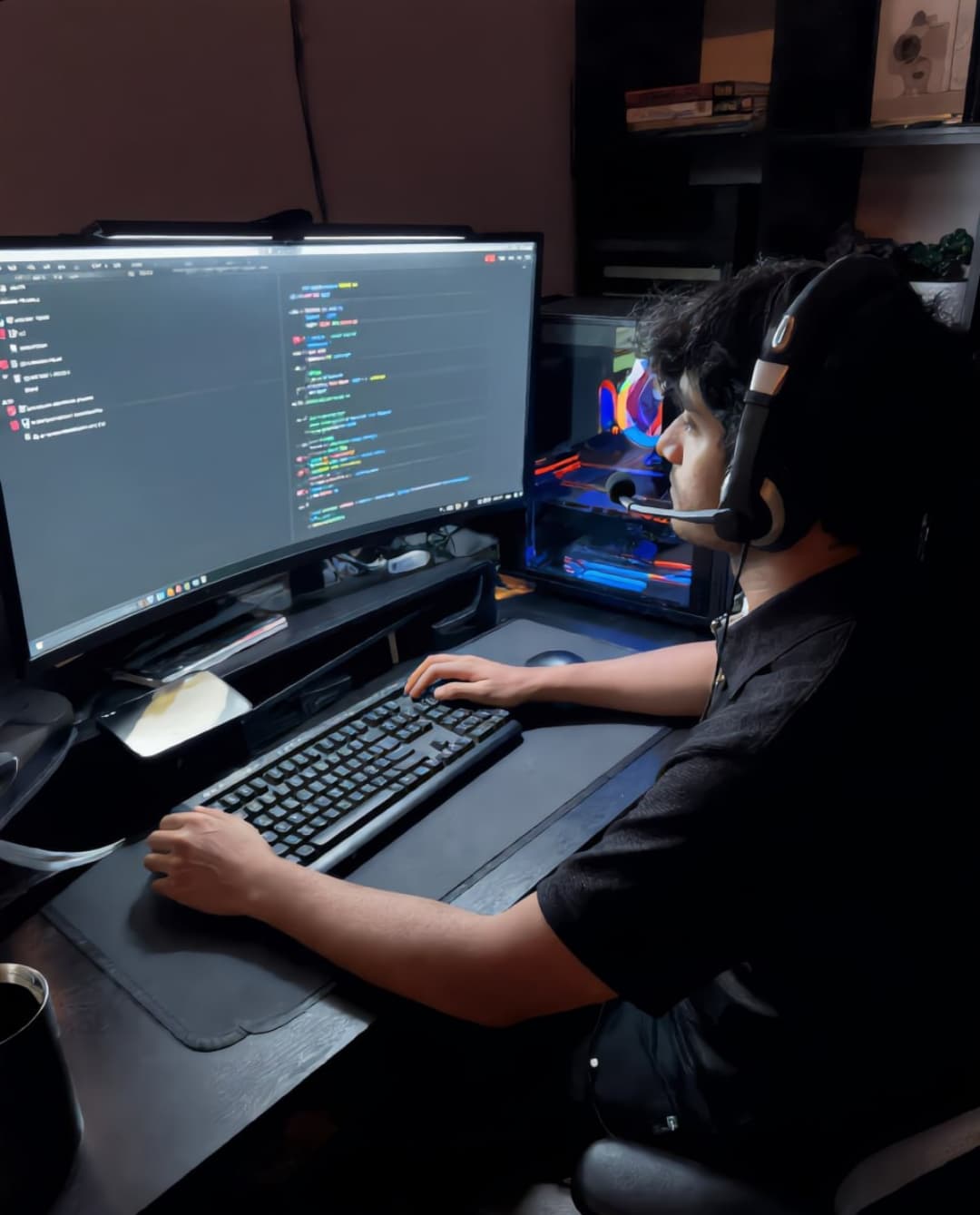
Xegency is led by Rifat and built around a simple idea: the person who understands your business should be the person shaping the pages.
A note from the founder
Most of the people who contact me have the same worry, even if they are too polite to say it: who exactly am I about to pay? It is a reasonable question. The internet is full of studios that are a stock photo and a contact form.
I started Xegency because I kept meeting founders with a real business running on duct tape — a website that undersold it, spreadsheets doing a database's job, hours lost to work a machine should be doing. I do the work myself, with a small circle of specialists I have worked with for years. You will not be handed to a junior after the kickoff call — the person you meet is the person who builds it.
So this page is here to be checkable. My name, my face, where I work from, how I invoice, who else is involved and what I will refuse to take on. If you want to talk to a past client before you commit, ask — where they have agreed to it, I will connect you directly.
What I care about is the part most people skip: whether the site actually earns the trust of the person reading it. That is a craft problem and a business problem at the same time, and it is the reason this studio exists.
— Rifat

Studio facts
The boring page
nobody else writes.
If you are about to send money to a studio in another country, you should be able to find all of this in one place without asking.
- Studio lead
- Ashikur Rahman Rifat, Founder & CEO
- Founded
- 2026
- Based in
- Dhaka, Bangladesh
- Working hours
- GMT+6, 09:00–18:00
- Languages
- English, Bengali
- Team
- Studio lead plus specialist collaborators, per project
- Contracts
- Written agreement on every project · NDAs on request
- Invoicing
- Wise or bank transfer, milestone-based
- Currently
- Taking on 2 new projects a month
- Projects shipped
- 11+
- Countries worked with
- 5+
- Clients who came back
- 76%
- Free support after launch
- 30 days
How we operate
Six rules we don’t break, including the one that costs us money.
Say the number
One fixed price in the proposal, no surprise line items at the end. If something is going to cost more, you hear it before it happens, not after.
Show the work weekly
Progress you can open in a browser, every week, from week one. Long silences are where projects go wrong, so we design the process to make them impossible.
Build it to last
Clean, documented code on boring, well-supported technology. Your next developer should be able to pick it up without a rescue project.
Fast is a feature
Performance is not a final polish pass. It is a constraint we design inside from the first layout, because a beautiful site nobody waits for is worth nothing.
Refuse the wrong job
If a project needs something we're not the best choice for, we say so and point you elsewhere. A bad fit taken for the money costs everyone more than the fee.
Leave you owning it
Accounts, code, files and domains in your name from day one. No hostage hosting, no proprietary lock-in, no reason to stay other than the work being good.
Working with someone new
You’re not buying design. You’re taking a risk on a stranger.
That’s a fair thing to be careful about, and no amount of portfolio fixes it. So the terms are written to make the risk small and reversible — in the contract, not just in conversation.
You own everything
Domain, hosting, code, design files and every account are registered in your name from day one. If we part ways, nothing of yours leaves with me.
Milestone payments
Never the full amount up front. Payment is split across signed milestones, so you are only ever exposed for the stage you are in.
A real contract
Every project runs on a written agreement covering scope, timeline, revisions, ownership and confidentiality. NDAs signed on request, no fuss.
Weekly, in writing
A short written update every week: what shipped, what is next, what I need from you. You are never left guessing where your money went.
Still deciding whether to send that first email?
Send it. Worst case you get an honest opinion on your project and a recommendation for someone better suited. There is no pitch deck waiting on the other side.